
Nanyang Biologics Reflects on NVIDIA GTC 2026: A Week of Discovery, Dialogue, and Momentum
.png)
For one week in San Jose, the world gathered around a defining question: what comes next for AI?
At NVIDIA GTC 2026, the answers were everywhere. They appeared on stage, across the exhibition floor, inside technical sessions, and in the many conversations shared by researchers, founders, engineers, and industry leaders. For Nanyang Biologics, it was a meaningful opportunity to take part in that global dialogue and contribute a perspective shaped not only by computational possibility, but by the future of real molecular discovery world.
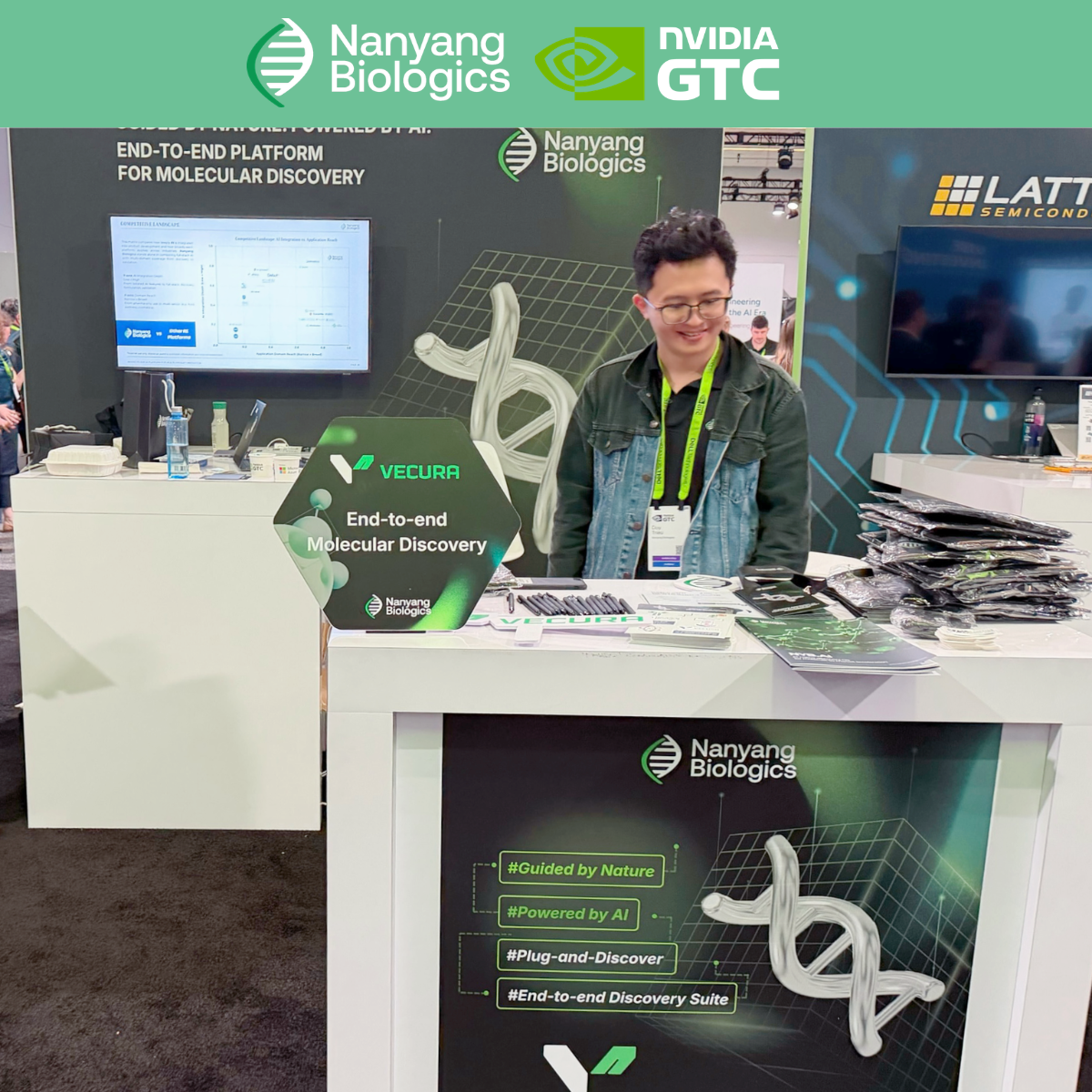
During the conference, we shared our platform perspective through booth discussions and direct meetings with participants from biotech, pharma, and related technical fields. A recurring theme across these exchanges was the growing focus on implementation. Interest is increasingly moving beyond model performance alone toward questions of integration, workflow design, data quality, and research usability.
This direction is closely aligned with our platform strategy. At GTC, we shared more about Vecura, our end-to-end platform for molecule discovery, and Vecurate, our AI curated natural compound intelligence layer. These components are designed to support a more structured discovery process by connecting compound intelligence, prediction, prioritization, and validation within a coherent operational framework.
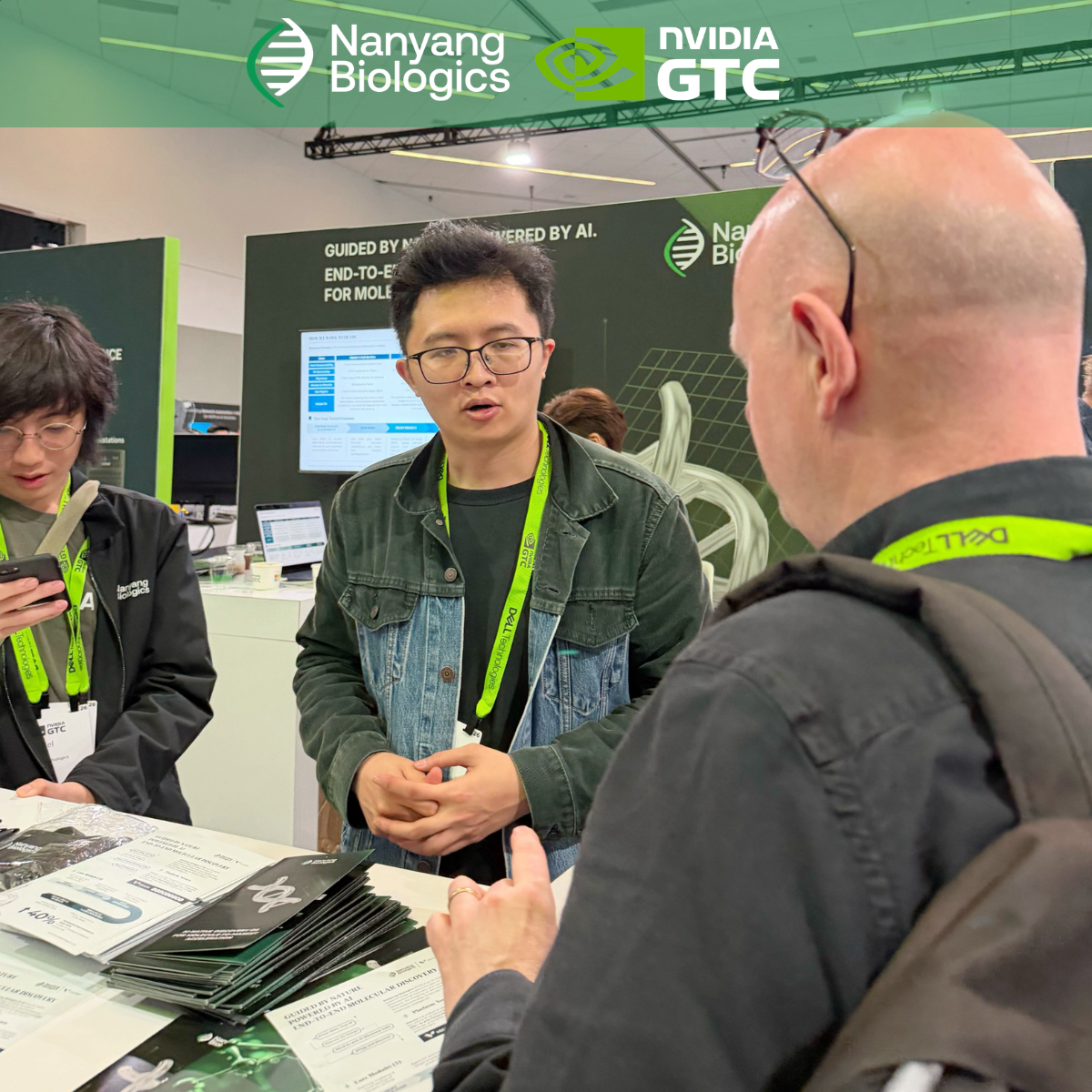
Many discussions during the event reflected a common challenge in applied discovery settings. Computational outputs have limited value unless they can be interpreted within the right biological context and incorporated into research workflows with sufficient clarity, traceability, and scientific relevance. For teams working in biotech and pharma, this remains a central issue in translating technical capability into research utility.
As part of our GTC 2026 activities, we also hosted a Private Executive Dinner with selected participants from biotech, AI, scientific computing, and molecular discovery. The dinner provided a focused setting for more detailed discussion on the scientific and operational requirements of AI enabled discovery systems.
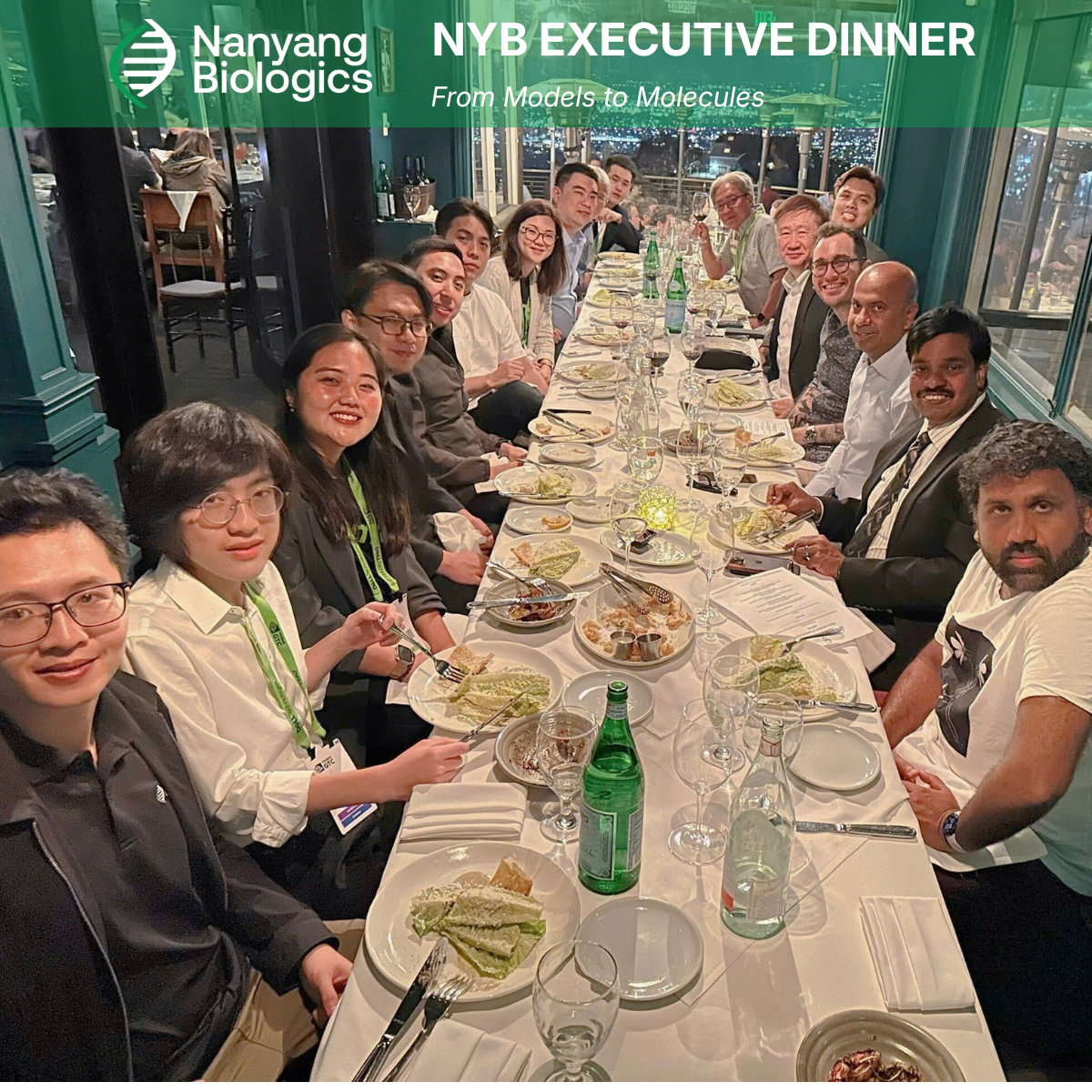
The conversation centered on how discovery platforms can better support decision-making in real research environments. Participants discussed the relationship between models, biological complexity, experimental logic, and human judgment, with particular attention to validation, interoperability, and adoption in practice.
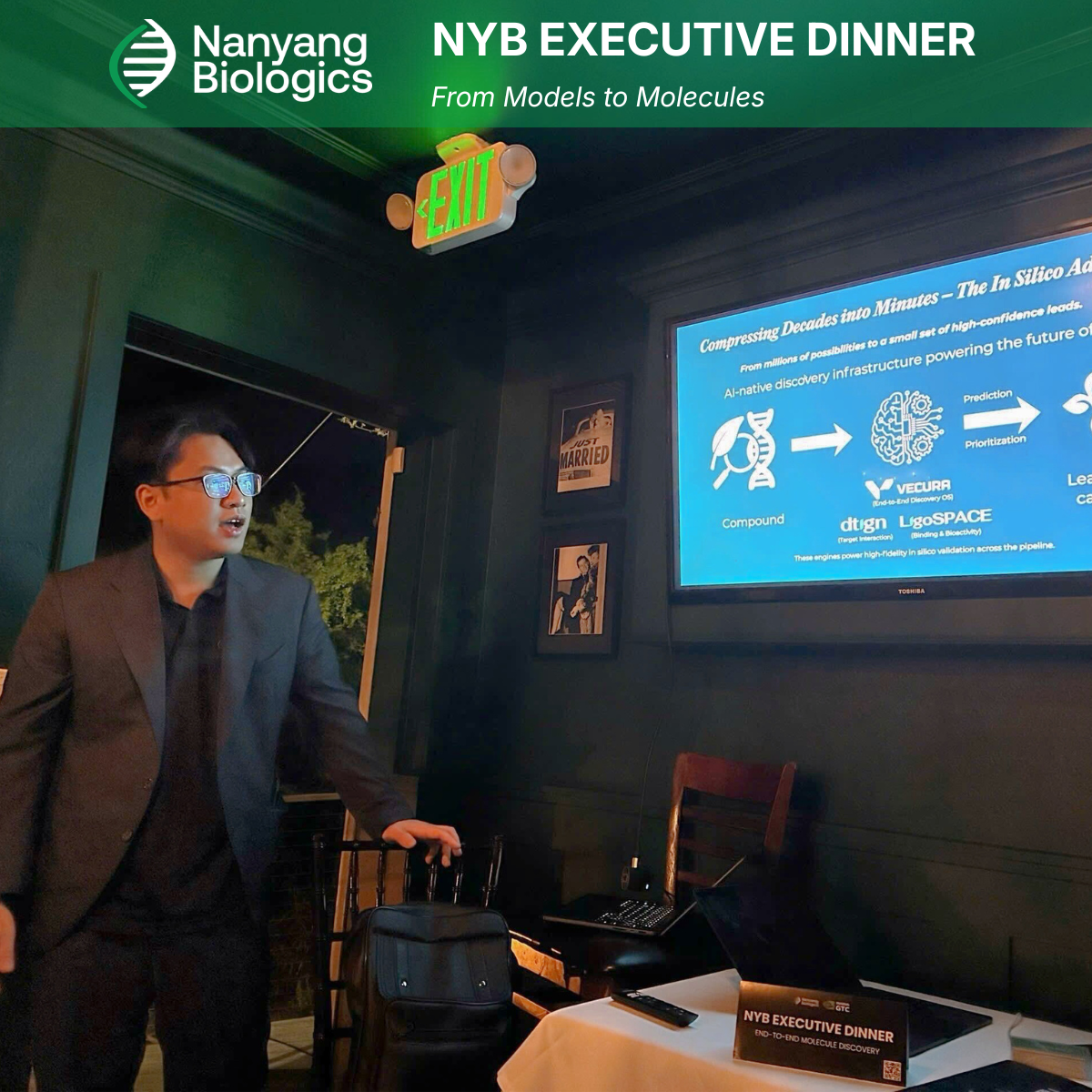
For us, GTC 2026 served as a valuable forum for scientific exchange, external feedback, and cross-sector dialogue. The event reinforced an important point for the field: the impact of AI in molecular discovery depends on the quality of the surrounding framework, including how systems are designed, how data is structured, and how results are integrated into research decisions.
We conclude our participation at GTC 2026 with constructive discussions, stronger engagement across the ecosystem, and continued focus on building practical infrastructure for AI native molecular discovery.
Related Articles

Nanyang Biologics Reflects on NVIDIA GTC 2026: A Week of Discovery, Dialogue, and Momentum
%20(2).png)
.png)
