
Our Research Journey
From garden herbs to breakthrough discoveries
2020 in Focus
A Year of Growth, Discovery, and Community Impact
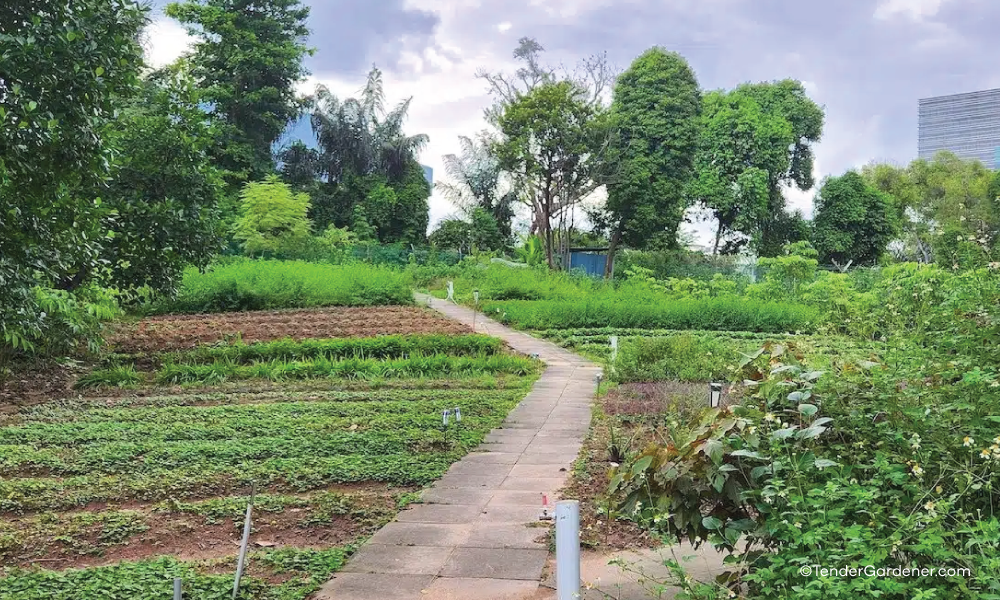
When COVID-19 restrictions limited access to the NTU Community Herb Garden, Dr. Roland Ong funded and opened a second garden in Pasir Panjang. The new site featured more than 60 species of medicinal herbs, ensuring that the community and researchers could continue studying and using these plants during the pandemic.
A $2 million research collaboration with NTU
In February 2020, Dr. Roland Ong and Associate Professor Li Hoi Yeung launched a major research initiative with Nanyang Technological University (NTU). Supported by $2 million in funding, the Research Collaboration Agreement (RCA) focused on studying how selected herbs could help combat cancer — with a special emphasis on understanding colon cancer, which remains one of the most common cancers in both Singapore and China.

Discovering anti-cancer potential in medicinal herbs
The research team studied the herbal formulations that cancer patients were taking from the Herb Garden and found that several had strong anti-cancer effects. From these, they identified five specific herbs that showed the greatest ability to slow or stop cancer cell growth in the lab.

Expanded testing revealed strong anti-cancer and probiotic effects
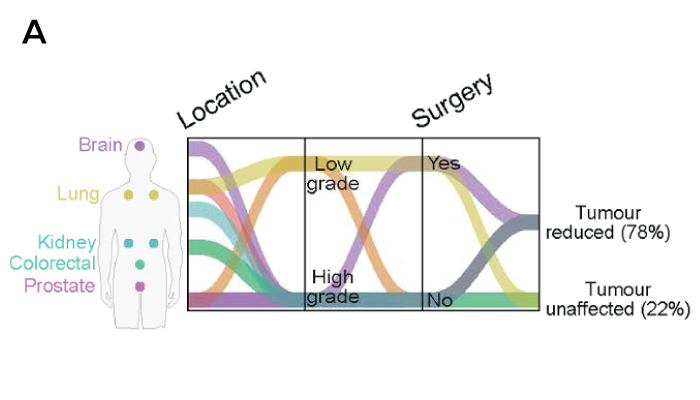
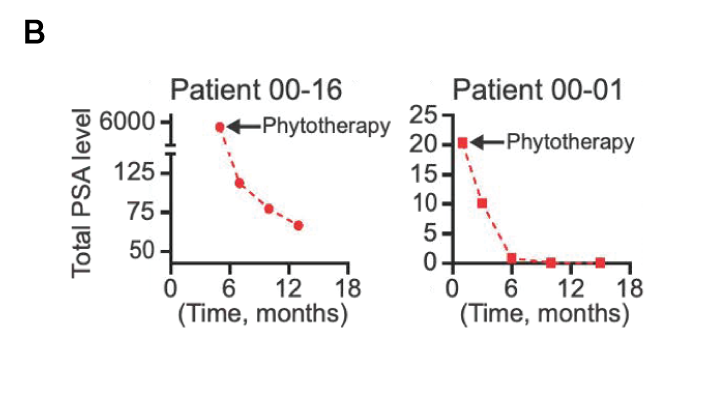
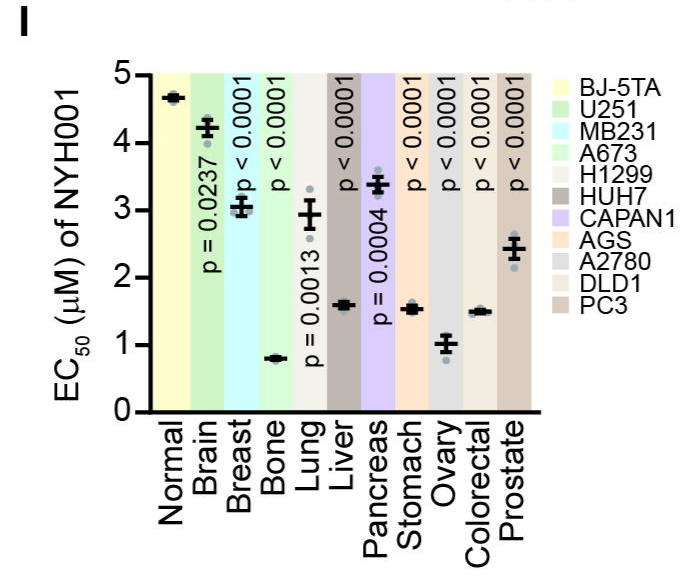
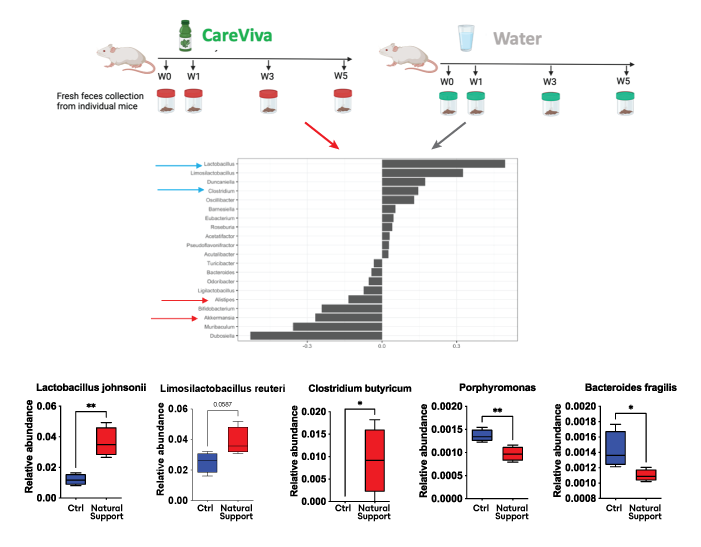
The team carried out further studies using white mice to test precise dosages of the herbal formulations across ten cancer cell lines — including liver, gastric, colon, bone, prostate, breast, and lung cancers. The results showed that some of the herbs had powerful anti-cancer effects. At the same time, the mice showed improved gut health, with reduced inflammation — a key factor linked to cancer risk.
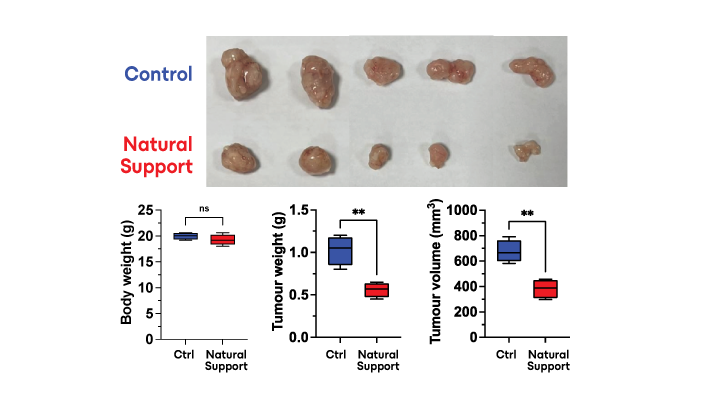
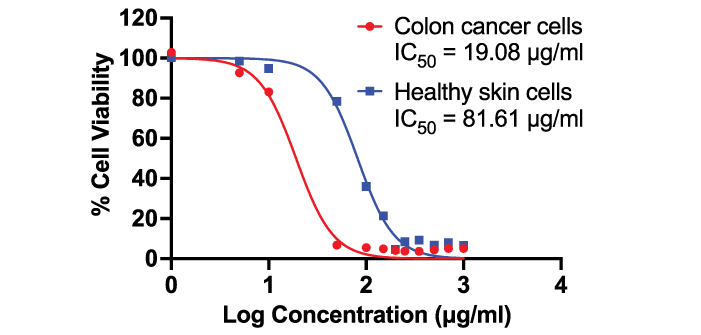
During these tests, scientists also isolated the active ingredient, or lead compound, responsible for the anti-cancer activity found in one of the herbs. This herb forms part of CareViva Natural Support (NS) — a patented formulation that has been shown in preclinical studies to reduce tumour growth while sparing normal tissues. The formulation was especially effective in cancers with high HRD (Homologous Recombination Deficiency) scores, highlighting its potential for targeted, precision-based therapy.

Identifying the lead compound: NB-A002
The isolated compound, NB-A002, targets a protein called ILF2, which cancer cells rely on to repair harmful DNA structures known as R-loops. By blocking this repair process, NB-A002 causes DNA damage that cancer cells — especially those with weak repair mechanisms — cannot survive. This precision approach spares healthy cells and offers a way to treat different cancers based on genetic vulnerabilities rather than tumour location.
Advancing five novel drug candidates
These discoveries paved the way for a collaboration with NTU’s Department of Chemistry, leading to the development of five potential drug candidates derived from the newly identified compound.
